What Is It Like to Work in Japan?
 wanly
wanly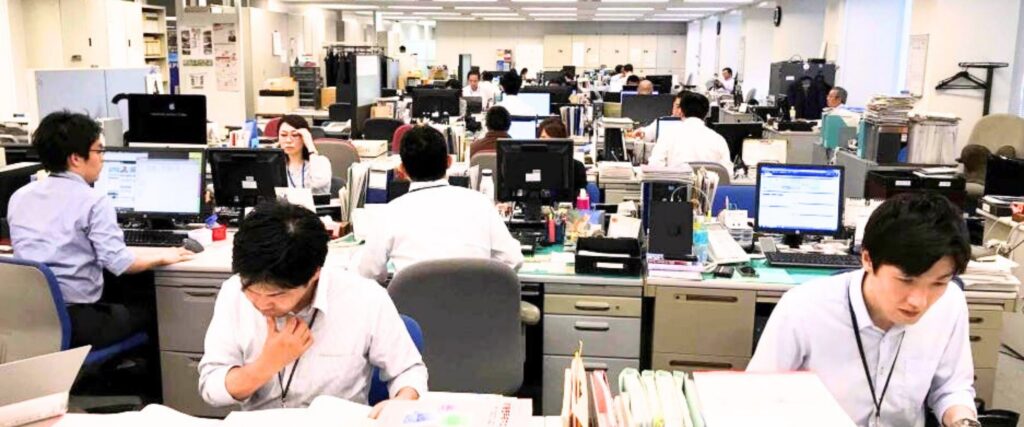
ntroduction
Working in Japan is often described as unique, structured, and sometimes challenging.
For people interested in working in Japan, understanding daily work culture is just as important as knowing visa rules or job titles.
This article focuses on everyday office culture in Japan—how people work, communicate, and think as a team.
1. Teamwork Comes Before the Individual
In many Japanese workplaces, teamwork is valued more than personal achievement.
- Decisions are often made as a group
- Sharing responsibility is more important than standing out
- Helping colleagues is seen as part of the job
Even highly skilled employees usually act modestly and prioritize harmony within the team.
2. Communication Is Often Indirect
Japanese communication tends to be polite and indirect.
- People may avoid saying “no” directly
- Tone and context are very important
- Reading the atmosphere (kuuki wo yomu) is a valued skill
For foreigners, this can feel confusing at first, but over time it becomes easier to understand unspoken messages.
3. Punctuality and Responsibility
Being on time is essential in Japan.
- Arriving early shows respect
- Deadlines are taken seriously
- Responsibility is often shared, but mistakes are deeply reflected on
This strong sense of responsibility helps maintain trust inside the workplace.
4. Work Hours and Changing Attitudes
Japan is famous for long working hours, but the situation is slowly changing.
- Remote work is increasing
- Companies are encouraging work-life balance
- Younger generations value flexibility more
Still, dedication to work remains an important cultural value.
5. Why Understanding Culture Matters
Many foreigners struggle not because of language, but because of cultural differences.
Understanding Japanese work culture helps you:
- Build better relationships
- Avoid misunderstandings
- Feel less stressed at work
Working in Japan can be a rewarding experience when expectations are clear.
Final Thoughts
Japan’s work culture is not just about rules—it reflects history, values, and social balance.
For those interested in working in Japan, learning these everyday habits is a strong first step toward success.